Haywood Christian Academy Blog
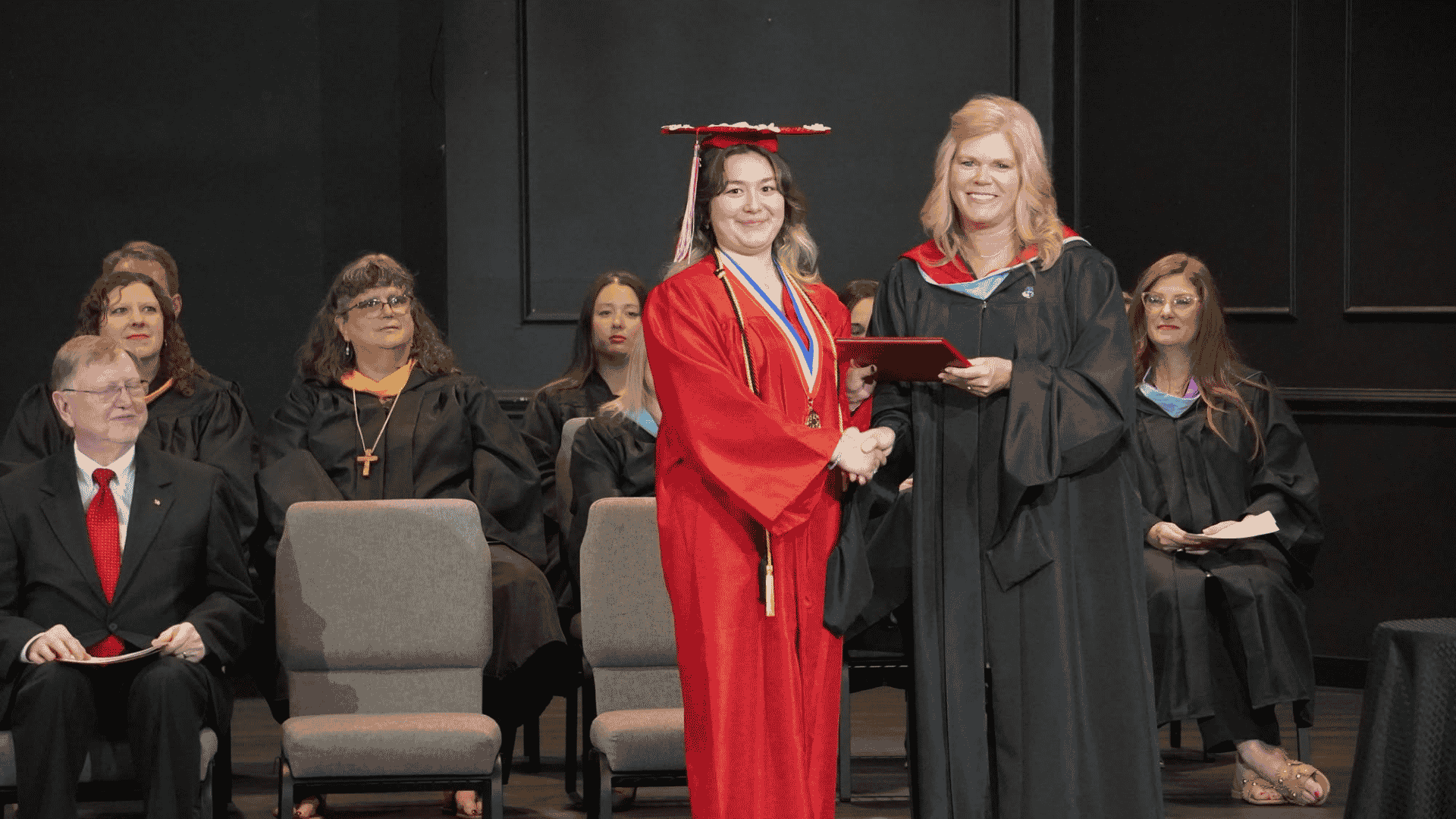
When choosing a high school, parents want to know that their child will be ready for whatever comes after graduation, whether that means a university lecture hall, a technical program, or a first career. Haywood Christian Academy’s approach pairs rigorous academics with biblical life preparation so that graduates leave equipped in mind, character, and faith.

Every parent has witnessed it: the slow fade of academic skills that takes place between the last day of school and the first day back. Known as the "summer slide," this period of learning loss can set students back by months, leaving them scrambling to catch up when the new school year begins. But what if summer could be more than a break from learning? What if it became a season of faith-based growth, exploration, and biblical purpose?
For Christian families in Western North Carolina, summer learning doesn't have to feel like a chore. When biblical values guide the process, summer transforms into an opportunity for children to grow spiritually, intellectually, and emotionally. At Haywood Christian Academy, the mission of developing students into Christian leaders on a foundation of biblical truth extends beyond the school year. This same philosophy can guide your family's approach to summer.

The summer before sixth grade carries a particular kind of electricity. Your child is leaving behind the familiar rhythms of elementary school and stepping into a season of change that can feel both exciting and unsettling. Multiple teachers. New social dynamics. More independence. Bigger academic expectations. For Christian families, this transition is also the beginning of a critical season of identity formation, and the question of who your child is becoming spiritually is just as important as which classes they will take.
This guide will help describe how scripture, community, and the right educational environment can make the middle school transition positively transformative.

At Haywood Christian Academy in Waynesville, North Carolina, the belief that every student is "uniquely gifted by God" is not just a motto. It is the driving conviction behind one of the most meaningful programs the school offers: The Bridge Learning Center.
Founded in 2015, The Bridge Learning Center was born out of a recognized need to support both HCA students and the broader Haywood County community. What began as a specialized language therapy program has grown into a comprehensive resource offering students the tools, strategies, and skills they need to become confident, capable learners grounded in a Christian learning support environment.

There is a persistent misconception that faith and critical thinking are somehow at odds with one another. But when students learn to examine the world through a biblical lens, they develop a deeper, more intentional form of critical thinking than many of their peers ever encounter. A critical thinking Christian perspective does not ask students to check their minds at the door. Instead, it equips them with a framework for evaluating ideas, weighing evidence, and making sound decisions rooted in both reason and conviction. At Haywood Christian Academy in Waynesville, North Carolina, this kind of faith-based critical analysis is woven into every aspect of the academic experience.
So how does Christian education actually build these essential reasoning skills? Let's take a closer look.