
Every parent has witnessed it: the slow fade of academic skills that takes place between the last day of school and the first day back. Known as the "summer slide," this period of learning loss can set students back by months, leaving them scrambling to catch up when the new school year begins. But what if summer could be more than a break from learning? What if it became a season of faith-based growth, exploration, and biblical purpose?
For Christian families in Western North Carolina, summer learning doesn't have to feel like a chore. When biblical values guide the process, summer transforms into an opportunity for children to grow spiritually, intellectually, and emotionally. At Haywood Christian Academy, the mission of developing students into Christian leaders on a foundation of biblical truth extends beyond the school year. This same philosophy can guide your family's approach to summer.
Quick Summary
- The summer slide can cause students to lose two to three months of academic progress, particularly in reading and math.
- Faith-based summer education helps children connect learning to a larger purpose rooted in Scripture.
- Biblical summer activities like devotionals, nature journaling, and Christian summer reading programs keep young minds sharp.
- Structured routines that balance fun with intentional learning are key to Christian summer slide prevention.
- Parents can take practical steps to weave faith and academics together throughout summer break.
What Is the Summer Slide and Why Should Parents Care?
The summer slide refers to the loss of academic knowledge and skills that occurs during the extended summer break. Research from educational organizations has shown that students can lose up to two to three months of grade-level equivalency in math and reading over the summer. This loss tends to be cumulative, meaning children who experience it year after year may fall significantly behind their peers by middle school.
For families who value both academic excellence and spiritual formation, Deuteronomy 6:7 calls parents to teach God's Word diligently, "when thou sittest in thine house, and when thou walkest by the way, and when thou liest down, and when thou risest up." Summer is not an exception to this calling. It is an extension of it.
Why Faith-Based Summer Education Makes a Difference
Summer learning Christian families pursue looks different from standard academic review. Rather than simply drilling worksheets, a faith-based approach connects every lesson to a biblical foundation. When children understand that their learning has a purpose rooted in God's design, they are far more likely to stay engaged and motivated.
There are several reasons biblical learning during summer break is so effective:
- It provides meaning. Children who see education as part of God's plan approach learning with purpose rather than obligation.
- It builds character. Summer projects rooted in Scripture reinforce virtues like patience, discipline, and perseverance.
- It strengthens family bonds. Shared devotional time, reading together, and serving the community create lasting memories and spiritual growth.
- It reinforces a Christian worldview. When academic subjects are taught through the lens of biblical truth, students develop critical thinking grounded in faith.
Read our blog about how Christian education helps critical thinking.
Building a Christian Summer Reading Program at Home
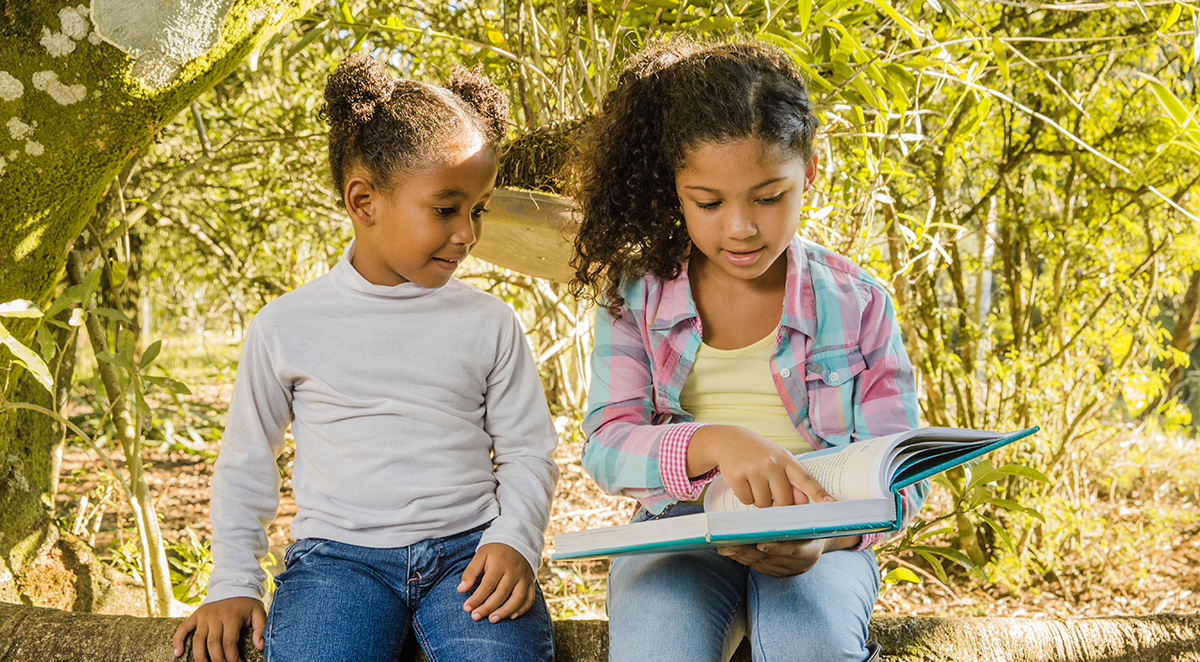
One of the most impactful ways to prevent summer learning loss is through consistent reading. A Christian summer reading program gives children access to stories and resources that build literacy skills and spiritual understanding.
- Start with Scripture. Set a goal for daily Bible reading, even if it is just a few verses. Younger children can use illustrated Bible storybooks, while older students might work through a book of the Bible independently.
- Choose age-appropriate Christian literature. Select chapter books, biographies of Christian leaders, or fiction that reflects biblical values.
- Set a family reading time. Designate 20 to 30 minutes each day when the family reads together or independently. Consistency matters more than duration.
- Create a reading journal. Encourage your child to write reflections on what they read, prompted by questions like, "What did this story teach you about God's character?"
- Visit the local library regularly. Haywood County Public Library and other Western North Carolina libraries offer summer reading programs that complement your efforts at home.
Reading is one of the single most effective tools for summer slide prevention. Students who read consistently over the summer often return to school reading above their previous grade level.
Biblical Summer Activities That Keep Minds and Hearts Engaged
Summer learning does not have to happen at a desk. Some of the most meaningful educational experiences take place outdoors, in the kitchen, or in your local community. Biblical summer activities combine hands-on exploration with spiritual reflection, turning everyday moments into teachable ones.
Nature and Science Through a Biblical Lens
Western North Carolina offers an incredible outdoor classroom. Families can hike trails in the Great Smoky Mountains, explore local creeks, or observe wildlife in their backyard. Pair these experiences with Scripture about God's creation, such as Psalm 19:1: "The heavens declare the glory of God; and the firmament showeth his handiwork."
- Keep a nature journal with sketches and observations alongside Bible verses about creation.
- Plant a family garden and discuss stewardship, seasons, and God's provision.
- Study weather patterns or the night sky and connect your findings to passages in Job, Psalms, or Genesis.
Math and Life Skills in Everyday Moments
Math skills are particularly vulnerable to summer slide, but they can be reinforced through daily life:
- Involve children in meal planning and grocery shopping to practice budgeting, measurement, and fractions.
- Use building projects or cooking recipes to reinforce geometry and problem-solving.
- Encourage older students to track a savings goal, connecting financial responsibility to biblical stewardship.
Writing and Communication
- Write letters to grandparents, missionaries, or pen pals.
- Start a summer prayer journal where children write prayers, reflections, and answered prayer lists.
- Older students can research a historical Christian figure or mission field and write a short report.
Read our blog about the connections between prayer and academic success.
Creating a Summer Routine That Honors God
A simple daily routine gives children predictability while leaving room for play, rest, and spontaneity. A sample faith-based summer day might include:
- Morning devotion (15 to 20 minutes): Bible reading, prayer, and family discussion.
- Learning block (30 to 45 minutes): Reading, a math activity, or a writing exercise.
- Active play or outdoor exploration (1 to 2 hours): Unstructured time outside, nature walks, or sports.
- Creative time (30 minutes to 1 hour): Art projects, music, or imaginative play.
- Service or community activity (weekly): Volunteering or participating in a local outreach project.
- Evening reflection (10 to 15 minutes): Gratitude journaling or bedtime devotions.
This balanced schedule supports the whole child: mind, body, and spirit. It reflects the approach schools like Haywood Christian Academy take during the academic year, where spiritual formation, academic excellence, and worldview orientation work together to shape students into capable, compassionate leaders.
Preparing for the School Year Ahead
As summer winds down, help your child transition back into a school-year mindset. Gradually shift bedtimes and wake times closer to the school schedule. Review any materials the school provides for the upcoming year. Most importantly, spend time in prayer together, asking God to prepare your child's heart and mind for what lies ahead.
For families exploring educational options that align with their values, now is a wonderful time to research schools that prioritize both academic rigor and spiritual development. Haywood Christian Academy in Waynesville, NC, offers a Christ-centered education for students in kindergarten through 12th grade, with small class sizes, daily Bible instruction, and a community rooted in faith. To learn more, reach out to our team today.
Frequently Asked Questions
What is the summer slide, and how does it affect my child?
The summer slide is the tendency for students to lose academic skills, particularly in reading and math, during the extended summer break. Research suggests children can lose two to three months of learning over the summer. This loss is cumulative, meaning it can significantly impact long-term academic achievement if not addressed each year.
How can faith-based summer education help prevent learning loss?
Faith-based summer education keeps children engaged by connecting academic subjects to biblical purpose. When students see learning as part of God's design for their lives, they are more motivated to read, write, and practice math. Activities like daily devotionals, Scripture-based journaling, and Christian reading programs reinforce both spiritual growth and academic skills.
What are some easy biblical summer activities for younger children?
Younger children benefit from hands-on, sensory-rich activities. Consider nature walks with a creation-focused scavenger hunt, Bible story reenactments, planting a garden while discussing God's provision, or reading illustrated Bible storybooks together.
How much time should my child spend on summer learning each day?
Aim for 30 to 60 minutes of structured learning per day, depending on your child's age. The rest of the day should include play, outdoor time, creative exploration, and rest. Consistency is more important than long study sessions.
Conclusion
Summer does not have to be a season of academic decline. With intentional planning and a heart for biblical learning during summer break, families can turn these months into a time of meaningful growth. By weaving Scripture, reading, hands-on activities, and community involvement into your summer routine, you are doing more than preventing learning loss. You are nurturing a child who loves to learn, loves to serve, and loves the Lord.
The summer slide is real, but so is God's promise in Proverbs 22:6: "Train up a child in the way he should go: and when he is old, he will not depart from it." This summer, embrace that calling with confidence and purpose.